Level first, then comfort
We start from the probe level your task requires, then choose the lightest liner and coating combination that holds it. Thicker is not automatically safer — it is just hotter and less worn.
ANSI/ISEA 105 puncture level 3–5
Palm and fingertip protection for wire, glass, sheet metal and scrap — reinforced liners specified to the puncture level your job actually needs.
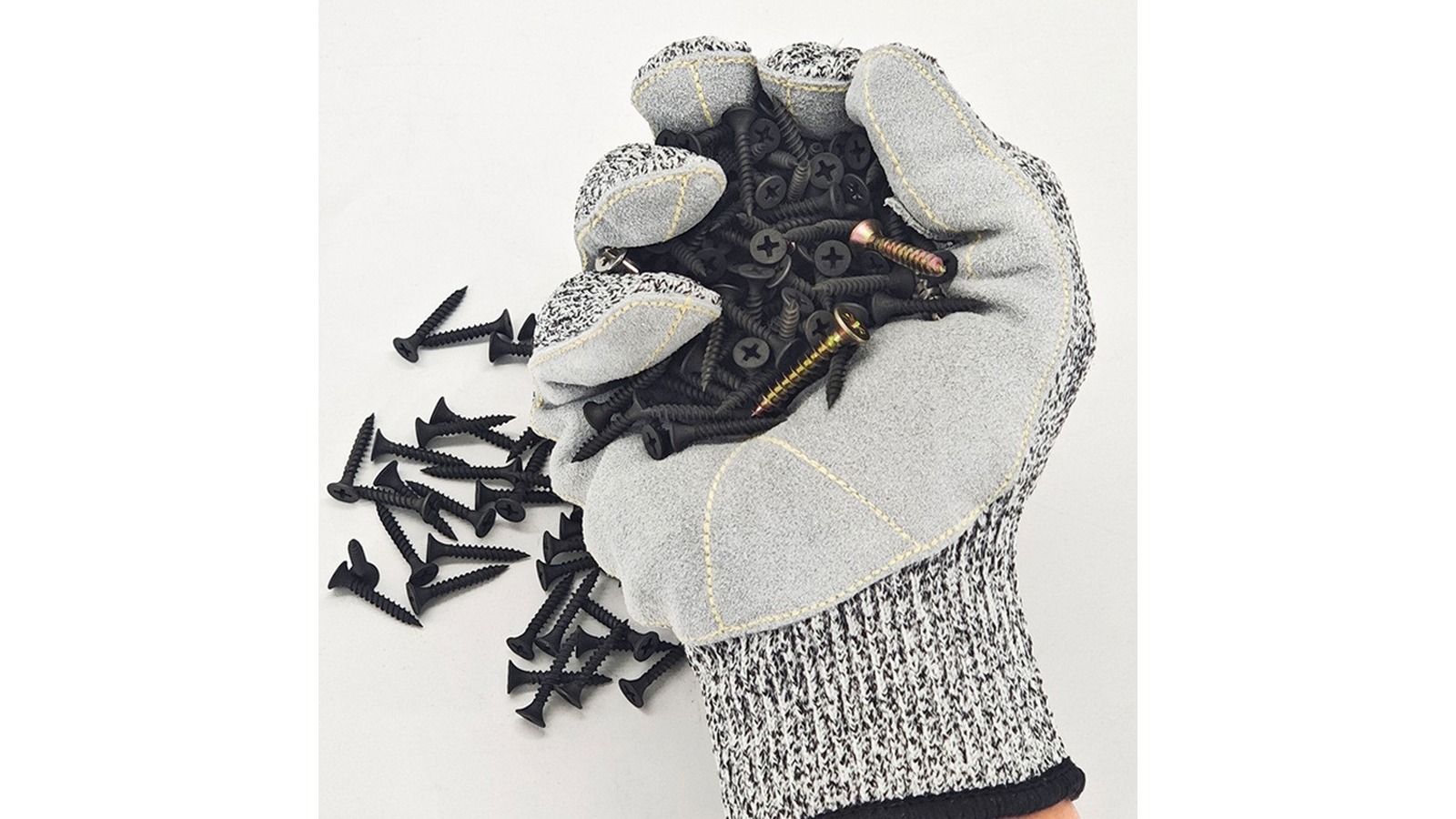
Puncture-resistant work gloves are specified on a different test from cut gloves: a pointed probe is pushed through the palm, not a blade. A glove can be excellent against cuts and still fail against a nail, a wire end or a shard of glass. That is why we build puncture gloves around a dense, tightly knitted liner and add palm reinforcement where the probe test is lowest.
We specify the level with you before sampling: the hazard, the force involved, and whether you need bare-hand feel for small parts. From there we match liner, gauge, coating and palm patch so the glove meets the level without turning into a stiff work glove nobody wears.
Reviewed · Specs confirmed on the approved sample
We start from the probe level your task requires, then choose the lightest liner and coating combination that holds it. Thicker is not automatically safer — it is just hotter and less worn.
Puncture failures cluster at the palm centre and fingertip pads. We add a reinforced palm, dipped fingertip caps or a leather patch in those zones instead of thickening the whole glove.
Sandy nitrile for oily scrap, flat nitrile for dry metal, PU for small parts that need feel. The coating changes grip and abrasion life, not the puncture level of the liner underneath.
Reference
Ratings depend on liner, gauge and coating. Final values are confirmed on the approved sample.
Levels follow ANSI/ISEA 105. The right level is the lowest one that covers your hazard — higher levels cost feel.
| Level | Probe force | Typical build | Where it is used |
|---|---|---|---|
| 1 | ≥ 10 N | Light PU-dipped knit | Packing, light assembly, dry cardboard |
| 2 | ≥ 20 N | Coated knit with denser liner | Warehouse, general handling |
| 3 | ≥ 60 N | HPPE blend + reinforced palm | Wire, sheet metal edges, recycling |
| 4 | ≥ 100 N | HPPE + glass fiber, palm patch | Scrap handling, glass, demolition |
| 5 | ≥ 150 N | Heavy liner + leather palm | Sharps, heavy scrap, demolition |
Questions buyers ask
If your question is about a specific style, send the spec and we will answer with the sample plan instead of a generic reply.
No. Cut resistance uses a rotating blade; puncture resistance uses a pointed probe. A glove rated A5 for cut can still be level 1 for puncture. If your hazard is nails, wire ends or glass, specify puncture level separately.
No work glove should be presented as needle-proof. Needle-resistant materials exist for specific controlled applications, but they are a different product class. Tell us the actual hazard and we will tell you honestly what a knitted glove can and cannot do.
Sandy nitrile over an HPPE liner: the rough finish holds oily metal, and the liner carries the puncture level. For dry glass or sheet metal, a leather palm patch usually lasts longer than a dipped palm.
500 pairs per style and color. We send a sample pair with the specified liner, coating and level for you to wear on the job before bulk. Bulk production starts only after you approve that sample.
Next step
Share the glove type, liner and coating, quantities and destination. We reply with the sample plan, unit price at your quantity and the packaging options for your market.