Oil grip without slip
Sandy nitrile or textured synthetic leather holds oily tools. Smooth palms become dangerous the moment a fitting leaks.
Industry · automotive & maintenance
Oil grip, knuckle protection and fingertips that still work a phone — built for technicians, not for a catalogue photo.
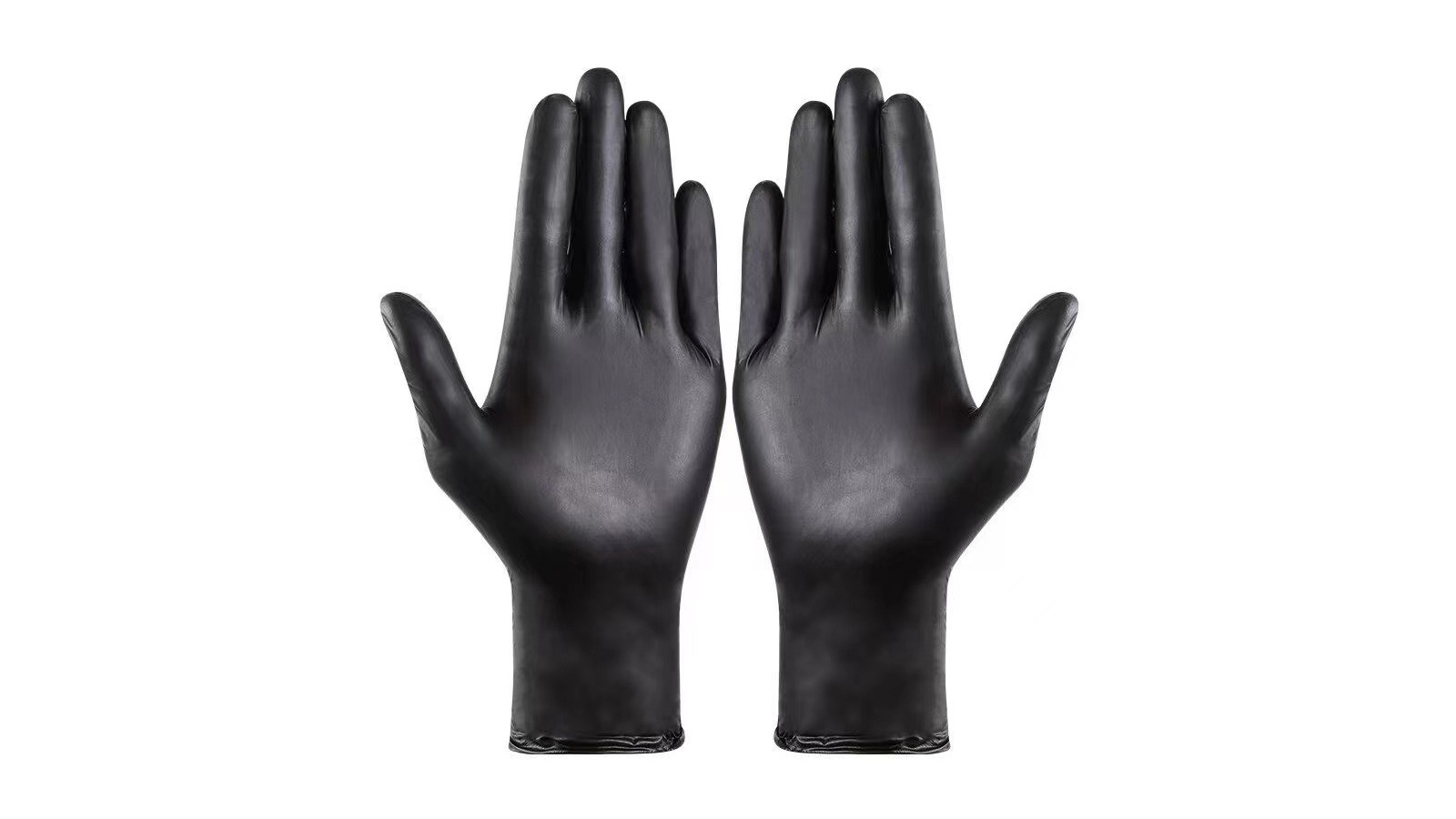
A mechanic glove has to do three things at once: hold oily tools, survive contact with hot and sharp components, and let the wearer use a phone or diagnostic tablet without taking it off. Most gloves do one of those well.
We build mechanic gloves on a synthetic leather or sandy nitrile palm with a TPR knuckle shell, reinforced thumb and index, and conductive fingertips. The palm is thin enough to pick up a 10 mm bolt, and the back takes the knocks when a wrench slips.
Automotive work punishes the palm and the knuckles at the same time. A nitrile palm holds oil and brake fluid reasonably well, but repeated contact with hot engine components and sharp edges wears a thin coating out in days. Foam nitrile on a seamless liner is the usual starting point, with a reinforced thumb crotch for pulling and a knit wrist that does not flap near rotating parts. Where impact tools are used, a back-of-hand guard is worth specifying — it is cheap, and it prevents the injury that takes a technician off the floor.
Reviewed · Specs confirmed on the approved sample
Sandy nitrile or textured synthetic leather holds oily tools. Smooth palms become dangerous the moment a fitting leaks.
A low-profile TPR shell on the knuckles plus reinforcement at the thumb and index — the two places technicians actually injure.
Conductive thumb and index let technicians check a diagnostic screen or take a photo without stripping the glove off with oily hands.
Reference
Ratings depend on liner, gauge and coating. Final values are confirmed on the approved sample.
Specify a TPR shell wherever impact tools are used. Diagnostics and interior work are better served by the thin PU build.
| Build | Oil grip | Impact | Typical use |
|---|---|---|---|
| Synthetic leather + TPR | High | Level 2 | General automotive repair |
| Sandy nitrile + TPR | High | Level 2 | Heavy equipment, fleet |
| Thin PU, no TPR | Medium | None | Diagnostics, interior work |
| Leather palm, knit back | Medium | None | Welding-adjacent maintenance |
Questions buyers ask
If your question is about a specific style, send the spec and we will answer with the sample plan instead of a generic reply.
They resist oil on the palm and keep grip, but they are not a barrier glove. For prolonged solvent or oil immersion, use a dedicated chemical-resistant glove.
Yes, with conductive thumb and index fingertips. Confirm the device type when ordering, since the conductive yarn is matched to capacitive screens.
Standard builds are A1–A2. For brake rotors, sharp sheet metal and glass, specify an A3–A4 liner; the glove becomes slightly warmer and stiffer.
Yes. Logo print, woven label and custom cartons are available from 500 pairs per style and color. Embroidery is not usually the right route here, because the thread wears through at the knuckles long before the glove does.
Next step
Share the glove type, liner and coating, quantities and destination. We reply with the sample plan, unit price at your quantity and the packaging options for your market.