Cut plus impact
An HPPE liner handles rebar and wire, while a TPR shell absorbs knuckle strikes. Combining them avoids the two-glove workaround that crews abandon.
Industry · site work
Rebar, masonry, framing and site handling: A4–A5 cut liners, TPR knuckles and a hi-vis back that survives concrete dust.
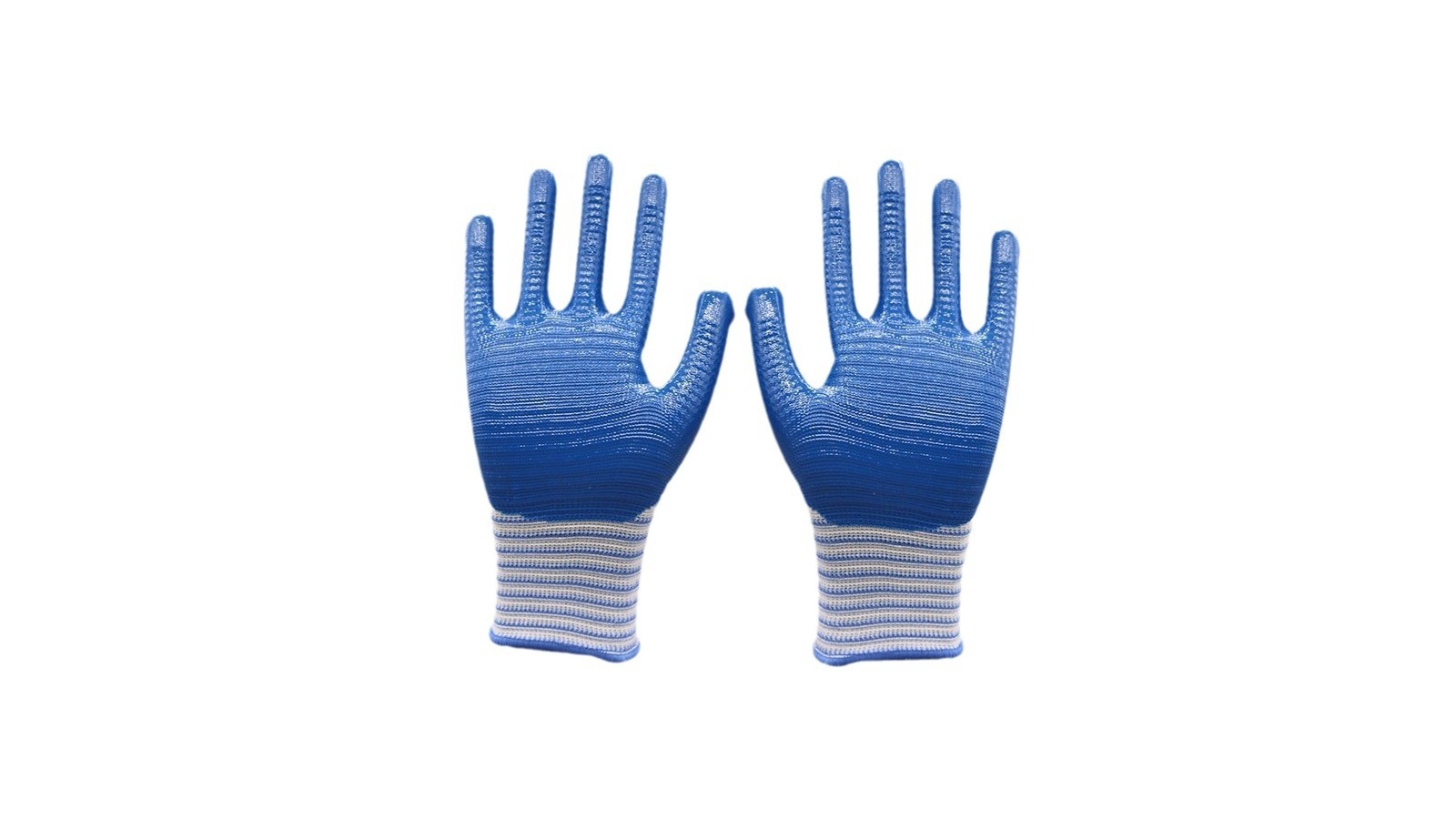
Construction work brings several hazards in one shift: rebar and wire edges, struck knuckles, abrasive concrete, and traffic on site. A construction glove that only covers one of them gets swapped constantly, which is when injuries happen.
We build site gloves that combine an A4–A5 HPPE liner with TPR back protection and a palm that grips wet or dusty surfaces. Hi-vis backs and reflective trim are optional but usually retained once a site tries them.
Site work changes through the day, so most crews need two gloves rather than one. A thin PU or nitrile palm glove handles measuring, fixing and tool work where fingertips matter, and a heavier coated glove takes over for concrete, rebar and demolition, where cut and abrasion risk dominates. Buying both on one order keeps the cost per pair down and stops the expensive glove being destroyed on the wrong task. Tell us the trade mix on site and we will split the order to match it.
Reviewed · Specs confirmed on the approved sample
An HPPE liner handles rebar and wire, while a TPR shell absorbs knuckle strikes. Combining them avoids the two-glove workaround that crews abandon.
Sandy nitrile or a reinforced synthetic leather palm resists concrete dust and wet grip far better than a bare knit.
Fluorescent backs and reflective knuckle trim make hand signals legible to plant operators in low light.
Reference
Ratings depend on liner, gauge and coating. Final values are confirmed on the approved sample.
Level and TPR coverage follow the task, not the job title. Concrete finishing rarely needs the glove worn for rebar.
| Task | Glove | Cut | Impact |
|---|---|---|---|
| Rebar / tying | A5 nitrile palm | A5 | Optional TPR |
| Masonry / block | A4 sandy nitrile | A4 | Level 2 TPR |
| Framing | A4 PU or nitrile palm | A4 | Level 1–2 TPR |
| Concrete finishing | PVC or nitrile full dip | A1–A2 | None |
| Traffic / plant | Hi-vis A4 | A4 | Level 2 TPR |
Questions buyers ask
If your question is about a specific style, send the spec and we will answer with the sample plan instead of a generic reply.
A4 covers most site handling, A5 for rebar and heavy steel. Higher levels are warmer and stiffer, so specify the lowest level that covers the task.
Requirements vary by employer and task. Where struck-hand risk is assessed, a TPR glove at level 1–2 is the usual starting point.
Yes. Fluorescent knit and reflective trim can be added to an A4–A5 liner without affecting the cut level.
We pack S–XXL in the ratio you specify per carton, so sites receive the mix they actually use rather than surplus of one size. A flat carton is the usual reason a site runs out of medium while the large pile never moves. Confirm the ratio on the packing list before the first shipment.
Next step
Share the glove type, liner and coating, quantities and destination. We reply with the sample plan, unit price at your quantity and the packaging options for your market.